

Artikel: PVD Plating vs Gold Vermeil: Men's Edition UK 2026
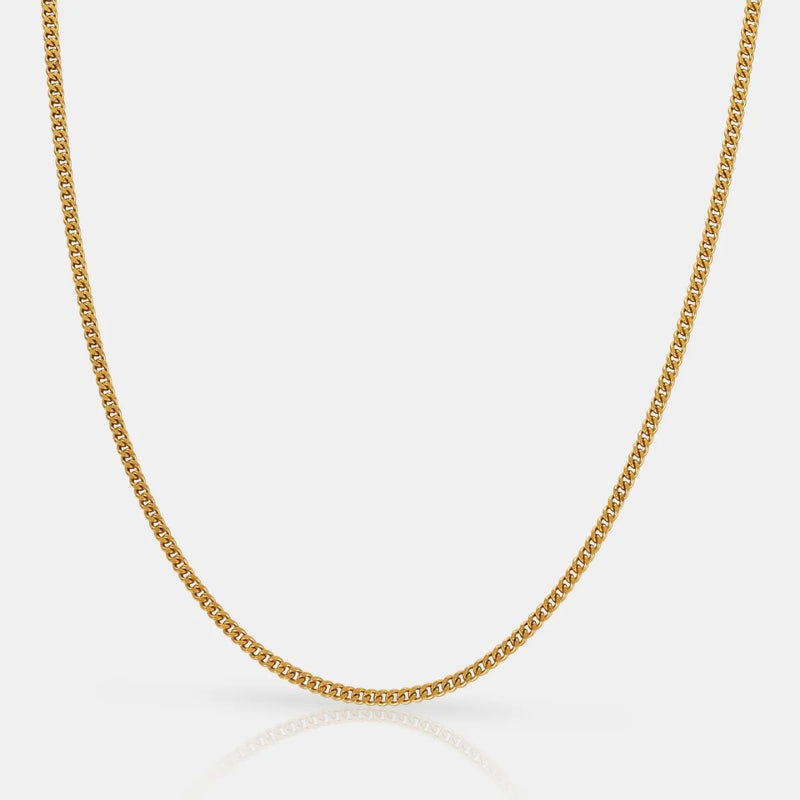
PVD Plating vs Gold Vermeil: Men's Edition UK 2026
Three numbers explain almost everything about men's jewellery longevity in 2026: 0.3 microns, 1.5 microns, 2.5 microns.

The first number is standard electroplating. Wears out in 3-6 months. The second is PVD ion plating. Lasts 12-36 months. The third is the regulatory minimum for gold vermeil. Lasts 2-5 years.
These three numbers are the difference between a piece that fails in a season and a piece that lasts a decade. And they’re the entire technical content of this article. The rest is just unpacking which one is right for what you want from your jewellery.
I run Monrich, a UK men’s jewellery brand using PVD plating. The technical data here is verifiable against UK / EU jewellery regulation and industry references.
TL;DR

| Question | PVD plating | Gold vermeil |
|---|---|---|
| Base material | 316L stainless steel (typical) | 925 sterling silver |
| Plating thickness | 1-2 microns | 2.5+ microns (UK / EU minimum) |
| Lifespan (daily wear) | 12-36 months | 24-60 months |
| Tarnishing | No (PVD is corrosion-resistant) | Slight (silver shows through eventually) |
| Care needed | None (water-safe) | Avoid harsh chemicals, occasional silver polish |
| Price tier | £25-200 typical | £80-500 typical |
| Best for | Daily wear, gym, shower | Investment pieces, lower allergy risk |
What is PVD plating?
PVD stands for Physical Vapor Deposition. It’s a process used in industries that need extremely durable coatings: watch manufacturing (Rolex, Omega, Tag Heuer use PVD for gold-tone models), aerospace (drill bits, bearings), and tool industry.
How it works: the base metal (typically 316L stainless steel) is placed in a vacuum chamber. The chamber is heated to several hundred degrees. The coating material (gold for jewellery, sometimes titanium nitride for other applications) is vaporised and deposited atom-by-atom onto the base. The result is a coating layer of 1-2 microns thick that is molecularly bonded to the base.
Why it matters for jewellery:
- The PVD bond is much stronger than electroplating (which is electrochemical only)
- The coat is 3-10x thicker than electroplating
- PVD does not “wear off” in flakes the way electroplated coatings do
- The base 316L stainless steel does not tarnish under the coating, so even when the gold eventually wears, you don’t get a corroded surface underneath
Real-world lifespan: 12 months minimum with the cheapest PVD applications, 36 months realistic for proper PVD on quality 316L base. Some watch brands have PVD coatings lasting 10+ years on parts that see daily friction.
Gold vermeil (pronounced “ver-MAY”) is a regulated category in the UK and EU.
What is gold vermeil?

Gold vermeil (pronounced “ver-MAY”) is a regulated category in the UK and EU. It refers specifically to:
- A 925 sterling silver base (not stainless steel, not brass)
- Plated with gold at minimum 2.5 microns thickness
- The gold must be at least 10K, often 14K or 18K
This is not a marketing term. UK and EU jewellery regulations define vermeil precisely. If a piece is sold as “vermeil” it must meet these specs.
How it differs from PVD:
- Vermeil uses electroplating (electrochemical deposition) not vacuum vapor
- The base is precious metal (sterling silver) not stainless
- The gold layer is thicker than typical electroplating (2.5µm minimum vs 0.3-0.5µm typical)
Why it matters:
- The sterling base has resale value (silver is a precious metal)
- The thicker plating gives long lifespan, often 2-5 years before visible wear
- The base does not contain nickel, making it hypoallergenic
Real-world lifespan: 2-5 years of daily wear before visible plating wear. When the plating does eventually wear, you see silver showing through (not corrosion or oxidised metal).
Side-by-side comparison
| Spec | PVD on 316L | Gold vermeil on sterling |
|---|---|---|
| Process | Vacuum vapor deposition | Electroplating |
| Base material | 316L stainless steel | 925 sterling silver |
| Plating thickness | 1-2 microns | 2.5+ microns (regulated) |
| Plating type | Physical coating | Electrochemical deposition |
| Hypoallergenic | Yes (no nickel) | Yes (no nickel) |
| Tarnishes when worn? | No (PVD + stainless does not corrode) | Sterling base develops patina, gold layer eventually wears |
| Water-safe (shower, swim) | Yes | Yes but harsh chemicals can speed wear |
| Lifespan typical | 12-36 months | 24-60 months |
| Reapplication possible? | No (PVD is one-time) | Yes (re-plating service available for sterling) |
| Resale value | Low (stainless is base metal) | Some (sterling is precious metal) |
Vermeil generally lasts longer than PVD on paper (2-5 years vs 1-3 years).
Lifespan: which lasts longer

Vermeil generally lasts longer than PVD on paper (2-5 years vs 1-3 years). In practice, the difference depends on:
How you wear it
- Daily wear with gym + shower: PVD pulls ahead because it’s truly water-safe and chemical-resistant. Vermeil can degrade faster with chlorine, harsh soap, or sweat.
- Occasional wear, careful: vermeil pulls ahead because of the thicker initial plating.
Re-plating option
- PVD pieces: when plating wears, the piece is replaced.
- Vermeil pieces: when plating wears, you can pay to have the sterling base re-plated (about £40-80 per piece in the UK). This extends life by another 2-5 years.
So vermeil has a longer total lifespan when factoring re-plating, but at additional cost.
Visible wear pattern
- PVD wears off in a way that’s barely noticeable (subtle cool tone shift, then very gradual silver showing through stainless)
- Vermeil wears off showing sterling silver underneath (more “visible” since silver vs gold contrast is sharper than stainless vs gold)
Price comparison
Vermeil pieces cost 2-4x more than PVD pieces for similar styles. The price difference reflects:
- Sterling silver base material cost (vs near-zero cost for stainless)
- Thicker plating layer (more gold used)
- Hallmarking and regulatory compliance for vermeil status
- Brand positioning (vermeil brands typically position premium)
| Piece type | PVD on 316L | Gold vermeil sterling |
|---|---|---|
| Cuban chain (4mm) | £45-100 | £150-400 |
| Signet ring | £30-90 | £125-350 |
| ID bracelet | £40-90 | £140-300 |
| Dog tag necklace | £35-80 | £100-250 |
For a daily-wear, low-maintenance piece, PVD wins.
Care and maintenance
PVD jewellery care
- Wear it. Daily. Gym, shower, sea, swimming, parfum.
- Wipe occasionally with a soft cloth to remove dust or grime
- No polishing needed (the PVD layer doesn’t develop patina)
- Avoid abrasives (scrubbing pads, harsh sponges)
Gold vermeil care
- Avoid prolonged exposure to chlorine (swimming pools) which can speed plating breakdown
- Avoid harsh perfumes / cleaning chemicals on the piece
- Use a silver polishing cloth occasionally on the sterling parts if patina shows through
- Store separately to avoid scratches
For a daily-wear, low-maintenance piece, PVD wins. For a careful long-term ownership piece, vermeil wins.
Which to choose for which use case
Choose PVD if you:
- Wear jewellery to the gym, shower, swim
- Want the lowest-maintenance option
- Have a budget under £100 per piece
- Want the longest period of “no thinking about it” wear
- Build a rotation of multiple pieces
Monrich is PVD-only and built for this use case.
Choose vermeil if you:
- Want sterling silver value at the base (precious metal)
- Are happy with occasional maintenance (silver polish, careful washing)
- Have a budget £150+ per piece
- Want a piece you can re-plate later to extend life
- Prefer hallmarked / regulated material categories
Brands like Miansai (US) and parts of the Hatton Labs and Serge DeNimes catalogues offer vermeil options.
Monrich is PVD-only and built for this use case.
Frequently asked questions
Is PVD better than gold vermeil?
For daily wear durability and price-to-lifespan ratio, PVD is better. For long-term investment, occasional wear, and the value of precious metal base, vermeil is better. They’re different value propositions, not better/worse.
Does PVD plating wear off?
Yes, eventually. PVD plating typically lasts 12-36 months of daily wear before visible wear. This is 3-5x longer than typical electroplating (0.3-0.5 microns) which lasts 3-6 months.
Can you shower with vermeil?
Yes for occasional shower exposure. Avoid prolonged chlorine (pools) and harsh shower products which can speed plating breakdown. Vermeil is more chemical-sensitive than PVD on stainless.
Is gold vermeil real gold?
Yes, the plating is real 10K-18K gold at a regulated minimum thickness (2.5 microns in UK / EU). It’s still plating, not solid gold, but the gold layer itself is real gold of declared karat.
What's better than both PVD and vermeil?
Solid gold (9K, 14K, 18K, 22K) is the most durable option because there’s no plating to wear off. Solid gold pieces are 5-20x the price of plated equivalents. Brands like Le Gramme offer solid gold premium ranges.
Can vermeil be replated?
Yes. Sterling silver base can be re-plated by jewellery repair services for £40-80 per piece typically. This extends the life of a vermeil piece by another 2-5 years.
Built after wearing the others.
Different by design.
PVD-plated 316L. 1-2 micron thickness declared. 12-month tarnish guarantee in writing. Permanent buy one get one free across the full catalogue.
Browse Monrich → UK shipping 2-4 days / 30-day returns / no customsShop the pieces mentioned


